
Advantages of Underfloor Heating and How It Adds Value to Homes By Radiator Outlet Ireland
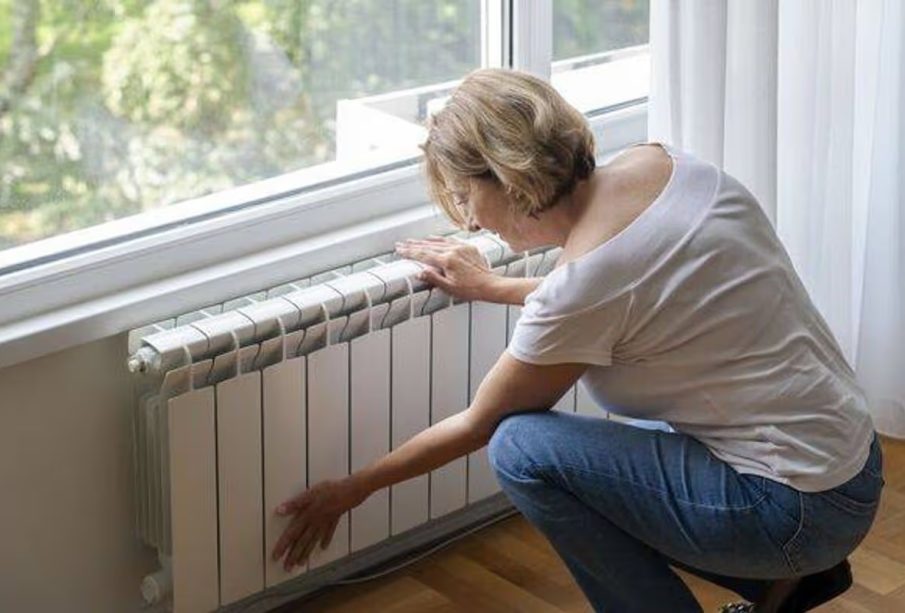
Underfloor heating has become an increasingly popular choice for homeowners across the UK and Ireland. As energy efficiency, comfort, and long‑term value take centre stage in home improvement decisions, this modern heating solution stands out as a practical and desirable upgrade. Its appeal lies not only in the comfort it provides but also in the way it enhances property value, making homes more attractive to future buyers.
Consistent and Comfortable Heat
One of the most notable advantages of underfloor heating is the quality of warmth it delivers. Traditional radiators heat the air unevenly, creating hot spots near the units and cooler areas elsewhere. Underfloor heating, by contrast, distributes heat evenly across the entire floor surface. This radiant heat rises gently, producing a consistent temperature throughout the room.
This type of heating is particularly beneficial in UK and Irish climates, where damp, chilly winters are common. The steady warmth helps maintain a comfortable environment without the fluctuations associated with radiator‑based systems. Homeowners often describe the comfort as more natural and pleasant, especially in living rooms, bathrooms, and open‑plan spaces. If you want to explore the science behind this, you can look into radiant heating.
Improved Energy Efficiency
Energy efficiency is a major consideration for households today. Underfloor heating systems operate at lower temperatures than radiators because they cover a larger surface area. Water‑based systems typically run between 27°C and 45°C, significantly lower than the 60°C to 75°C required for radiators. This reduction in operating temperature means boilers and heat pumps use less energy to achieve the same level of comfort.
In well‑insulated homes, this can lead to lower heating bills and reduced carbon emissions. Electric underfloor heating, while often used in smaller rooms, also offers efficient performance when paired with modern thermostats and timers. For homeowners aiming to future‑proof their properties, underfloor heating aligns well with the growing emphasis on sustainable living. You can explore more about energy savings.
Enhanced Interior Design and Space Optimisation
Radiators can limit interior design choices, especially in smaller UK and Irish homes where space is at a premium. Underfloor heating removes the need for visible heating units, freeing up wall space and allowing greater flexibility in furniture placement. This creates cleaner lines, a more open feel, and a modern aesthetic that appeals to many homeowners and buyers.
The absence of radiators is particularly advantageous in kitchens, bathrooms, and hallways, where layout flexibility can significantly improve functionality. For those planning renovations, underfloor heating offers a way to achieve both practical and visual improvements. If you’re considering a redesign, you might explore best flooring types.
Better Air Quality and Silent Operation
Underfloor heating improves indoor air quality by reducing air movement. Radiators rely on convection, circulating warm air that can carry dust and allergens. Underfloor heating uses radiant heat, which minimises air circulation and creates a cleaner environment. This is especially beneficial for allergy sufferers or households with pets.
The system also operates silently. There are no clicking radiators, no rushing pipes, and no fan noise. This makes underfloor heating ideal for bedrooms, studies, and open‑plan living areas where peace and quiet are valued. You can learn more about air quality improvements.
Long Lifespan and Low Maintenance
Water‑based underfloor heating systems are known for their durability and long lifespan. Once installed, they require minimal maintenance and are protected from everyday wear because they are hidden beneath the floor. Many systems come with warranties of 25 years or more, offering long‑term reassurance.
Electric systems also offer reliability, particularly in smaller rooms. Modern thermostats allow precise control, including zoned heating and smart‑home integration, which can further reduce running costs and improve convenience. If you’re curious about upkeep, you can explore maintenance needs.
How Underfloor Heating Adds Value to Homes
Beyond comfort and efficiency, electric underfloor heating can increase the value of a property. Buyers in the UK and Ireland increasingly view it as a premium feature, particularly in modern homes and high‑quality renovations. Its energy efficiency, aesthetic benefits, and long lifespan make it an attractive selling point.
Homes with underfloor heating often stand out in competitive markets. The system signals that the property is well‑maintained, future‑focused, and designed with comfort in mind. In new builds, underfloor heating is frequently associated with higher energy ratings, which can further enhance market appeal. For renovations, it adds a touch of luxury that buyers appreciate, especially in bathrooms and open‑plan living areas.
If you’re considering installation, you may want to explore installation costs or retrofit options.
Conclusion
Underfloor heating offers a combination of comfort, efficiency, and design freedom that traditional heating systems cannot match. For homeowners in the UK and Ireland, it provides a practical way to improve daily living while adding long‑term value to their property. Whether installed in a new build or as part of a renovation, underfloor heating is a modern upgrade that enhances both the experience of living in a home and its appeal on the market.