
How to Improve Your Credit Score Through Smart Financial Habits
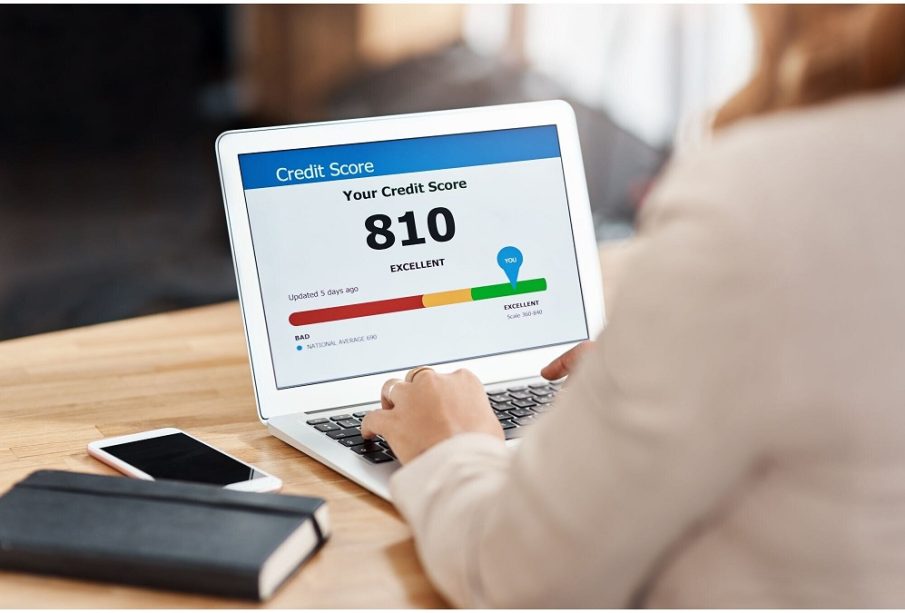
A credit score is one of the most significant metrics in a consumer’s financial life. It acts as a primary financial passport, determining your eligibility for mortgages, auto loans, credit cards, and apartment rentals. Beyond basic approval, your credit score directly dictates the interest rates you are offered, potentially saving or costing you tens of thousands of dollars over a lifetime.
Many people view the credit scoring system as an unpredictable, confusing mathematical formula. In reality, credit scores are direct reflections of your daily financial behaviors. Improving your score does not require complex tricks or expensive credit repair services. Instead, it relies on understanding the mechanics of the credit reporting system and establishing consistent, smart financial habits. This comprehensive guide details the core components of credit calculation and outlines actionable strategies to systematically build and protect your credit score.
Deconstructing the Credit Score Formula
To improve your credit score, you must first understand how it is calculated. The vast majority of lenders utilize the FICO scoring model, which ranges from 300 to 850. This model evaluates data from your credit reports and weights it across five distinct categories.
Payment History (35 Percent)
This is the single largest factor influencing your credit score. Lenders want to know how reliably you fulfill your financial obligations. Even a single payment that is thirty days or more past due can cause an immediate, severe drop in your score. Consistent, on-time payments form the foundation of an excellent credit profile.
Amounts Owed and Utilization (30 Percent)
This category evaluates your credit utilization ratio, which measures the amount of revolving credit you are currently using compared to your total available credit limit. For example, if you have a credit card with a 10000 dollar limit and a balance of 3000 dollars, your utilization ratio is 30 percent. Lenders view individuals who constantly max out their credit lines as high-risk borrowers.
Length of Credit History (15 Percent)
A longer credit track record provides more data for lenders to analyze. This metric evaluates the age of your oldest account, the age of your newest account, and the average age of all your accounts combined. Keeping old accounts open and active helps preserve this average age.
New Credit and Inquiries (10 Percent)
Opening multiple new credit lines within a short period signals potential financial distress. Each time you apply for credit, lenders perform a hard inquiry, which can cause a minor, temporary dip in your score.
Credit Mix (10 Percent)
Lenders like to see that you can manage different types of credit responsibly. A healthy mix includes revolving credit, such as credit cards, and installment loans, such as auto loans, student loans, or mortgages.
Habits to Master Payment Consistency
Because payment history carries the heaviest weight in the FICO model, establishing an absolute system for on-time payments is your primary objective.
Implementing Automated Minimum Payments
The easiest way to prevent accidental late fees and missed dates is to set up automatic payments through your bank. Configure your accounts to automatically pay at least the minimum amount due a few days before the official statement deadline. This guarantees that even if you are traveling, busy, or distracted, your account maintains a perfect on-time reporting status. You can manually pay off the remaining balance later in the month to avoid interest charges.
Aligning Bill Due Dates with Income Cycles
If your monthly credit card statements fall due right before your primary paycheck arrives, you may experience cash flow strain. Most major credit card issuers allow you to change your monthly billing due date. Contact your creditors and request to shift your payment deadlines to align with your monthly or bi-weekly income schedule, making it easier to cover your bills comfortably.
Strategies for Managing Credit Utilization
Your credit utilization ratio is highly dynamic and can be optimized quickly to boost your score, as it carries no memory from month to month in standard scoring models.
Keeping Utilization Below the Optimal Threshold
While standard financial advice often recommends keeping your credit utilization below 30 percent, consumers with the highest credit scores typically keep their utilization below 10 percent.
-
Making Multiple Monthly Payments: Credit card companies report your balance to the credit bureaus once a month, typically on your statement closing date. If you wait until the due date to pay your bill, a high balance may be reported even if you pay it off in full every month. To prevent this, make bi-weekly payments, sending a payment midway through your billing cycle to keep the reported balance low.
-
Requesting Credit Limit Increases: If you have maintained a positive payment history for six months or more, request a credit limit increase from your card issuer. If your income has increased, report this as well. A higher credit limit combined with consistent, low spending will immediately drop your utilization ratio, provided you do not use the higher limit as an excuse to spend more.
Protecting the Integrity of Your Credit Profile
Building credit requires strategic preservation. Avoid common behaviors that inadvertently damage your average account age or generate excessive inquiries.
Keeping Worn Accounts Active
It is common practice to close old credit cards once they are paid off. However, closing an old account removes its credit limit from your utilization pool and will eventually shorten the average age of your credit history when the closed account drops off your report. If an older card does not charge an annual fee, keep it open. To prevent the issuer from closing the account due to inactivity, link a small monthly recurring subscription, like a streaming service, to that card and set it to auto-pay.
Structuring Applications Strategically
When shopping for an auto loan or a mortgage, you will naturally want to compare rates across multiple lenders, which generates multiple hard inquiries. The credit scoring models recognize this behavior and treat multiple inquiries for the same type of loan as a single inquiry, provided they all occur within a specific window, typically fourteen to forty-five days. Group your loan applications closely together to minimize the impact on your score.
Monitoring and Correcting Credit Reports
Your credit score is generated entirely from the information contained within your credit reports at the three major bureaus: Equifax, Experian, and TransUnion. If your reports contain administrative errors or fraudulent activity, your score will suffer.
Auditing for Inaccuracies
Homeowners and consumers should audit their credit reports regularly by utilizing official verification platforms. Look closely for accounts you do not recognize, incorrect late payment markings, outdated collection files, or duplicate debts.
If you discover an error, file a formal dispute with both the credit bureau and the reporting creditor immediately. Under federal law, credit bureaus must investigate and verify the disputed information within thirty days, removing any unverified inaccuracies.
Frequently Asked Questions
What is the difference between a hard inquiry and a soft inquiry on a credit report?
A hard inquiry occurs when a lender reviews your credit report to make a lending decision, typically when you apply for a new mortgage, auto loan, or credit card. Hard inquiries require your authorization and can cause a minor, temporary drop in your credit score. A soft inquiry happens during background checks, such as when an employer reviews your credit, when you check your own score, or when a credit card company pre-screens you for promotional offers. Soft inquiries have zero impact on your credit score and are invisible to lenders.
How does a secured credit card assist individuals with poor or non-existent credit histories?
A secured credit card requires the applicant to place a refundable cash deposit with the lender, which typically serves as the account’s total credit limit. Because the cash deposit acts as collateral, lenders assume minimal risk, making these cards highly accessible for rebuilding credit. As you use the card for small purchases and pay the balance on time every month, the issuer reports your positive activity to the major credit bureaus, building a healthy payment history exactly like a standard, unsecured card.
Why should a consumer avoid using credit card debt consolidation services without changing their spending habits?
Debt consolidation loans combine multiple high-interest credit card balances into a single loan with a fixed monthly payment and a lower interest rate. While this can streamline payments and lower utilization ratios instantly, it does not fix the underlying behaviors that caused the debt. If a consumer clears their credit card balances using a consolidation loan but continues to spend beyond their means, they will quickly max out the cards again, leaving them with both the massive consolidation loan and new credit card debt.
What is a credit freeze, and how does it protect a consumer from identity theft?
A credit freeze is a free security tool that locks your credit reports at the individual bureaus, preventing third parties from accessing your credit history. Because lenders cannot pull your report while the freeze is active, identity thieves cannot open new fraudulent utility accounts, loans, or credit cards in your name. A credit freeze does not affect your current accounts or damage your score, and it can be easily lifted or thawed online using a secure pin whenever you need to apply for legitimate credit.
How long do negative marks, such as collections or bankruptcies, remain on a credit report?
Most negative financial marks, including late payments, collections, foreclosures, and Chapter 13 bankruptcies, remain on your credit report for seven years from the date of the original delinquency. Chapter 7 bankruptcies, which wipe out eligible debts entirely, stay on your report for ten years. While these marks remain visible, their negative impact on your actual score decreases gradually over time as the record ages and you accumulate new, positive payment histories.
What is the purpose of a credit utilization threshold, and can a zero percent utilization hurt your score?
A credit utilization threshold is the ratio of your revolving debt to your available credit lines. While maintaining a low ratio is ideal, maintaining a constant zero percent utilization across every single credit card can actually cause a slight drop in your score. Lenders interpret a zero percent utilization as inactivity, signaling that you are not actively using your credit lines. To optimize your score, aim for a utilization ratio between 1 and 9 percent, showing responsible, active credit management.
Why does your credit score frequently drop slightly immediately after paying off a major installment loan?
When you pay off a major installment loan, such as an auto loan or student loan, the account officially closes. This closing can cause a temporary dip in your score for two reasons. First, it reduces the total number of active accounts in your credit mix, which prefers seeing both active revolving and installment loans. Second, if the closed loan was one of your oldest open accounts, closing it can eventually affect the calculated average age of your active accounts, though the drop is usually minor and resolves within a few months.