
Essential Tire Care Tips for Better Vehicle Stability
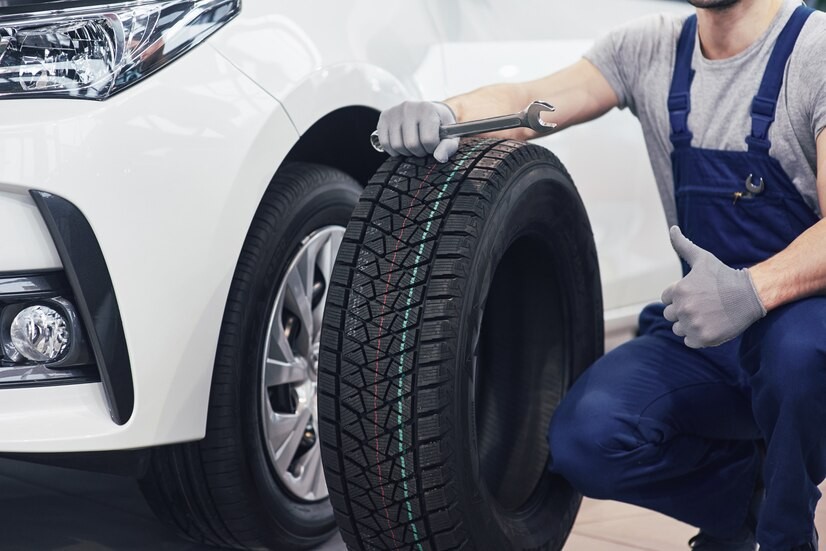
A vehicle’s tires are its only direct point of contact with the road surface. No matter how advanced a car’s braking system, suspension, or electronic stability control may be, the performance of these safety features is ultimately limited by the traction of the rubber beneath the chassis. Maintaining optimal tire health is directly connected to vehicle handling, braking efficiency, fuel economy, and occupant safety.
Neglecting basic tire maintenance compromises road grip and alters vehicle physics, creating severe handling challenges during unexpected highway maneuvers or inclement weather. This comprehensive guide details the essential tire care strategies every driver needs to implement to ensure superior vehicle stability, uniform tread wear, and extended tire longevity.
The Physics of Tire Pressure and Handling
Maintaining the correct volume of pressurized air inside a tire is the single most important factor governing vehicle stability. Air pressure dictates the size and shape of the tire contact patch, which is the exact area of rubber meeting the asphalt.
The Dangers of Underinflation
When a tire lacks sufficient air pressure, the structural integrity of the sidewall flexes excessively under the weight of the vehicle. This distortion forces the center of the tread to bow upward, leaving only the outer edges of the tire in firm contact with the road.
-
Sluggish Steering Response: Underinflated front tires create a delayed steering reaction, forcing the driver to turn the steering wheel further to achieve the same cornering angle.
-
Hydroplaning Vulnerability: Because the center of the tread is lifted, the tire cannot channel standing water away efficiently, causing the vehicle to slide over thin films of water at lower speeds.
-
Excessive Heat Buildup: The continuous flexing of an underinflated sidewall generates intense internal heat, weakening the rubber bonds and drastically increasing the risk of a high-speed blowout.
The Consequences of Overinflation
Injecting too much air into a tire causes the casing to expand rigidity, mimicking a hard basketball. This expansion rounds out the tread profile, concentrating the vehicle weight entirely onto a narrow strip down the center of the tire.
-
Reduced Friction Coefficient: The shrinking of the overall contact patch reduces available traction, resulting in longer braking distances and an increased likelihood of skidding during emergency stops.
-
Harsh Ride Metrics: Overinflated tires cannot absorb minor road imperfections, transferring every bump and pothole directly into the suspension components and passenger cabin.
-
Vulnerability to Impact Damage: A rigid, overpressurized tire lacks the elasticity to deflect when striking a pothole or debris, making it highly susceptible to internal structural bruising or immediate casing ruptures.
Executing Precise Pressure Audits
To maintain optimal stability, homeowners and drivers must check tire pressure at least once a month using a reliable digital or dial pressure gauge. Relying strictly on a visual inspection is dangerous, as a modern radial tire can lose up to half of its air pressure without appearing noticeably flat.
-
Locating the Benchmark Specification: Never use the maximum pressure number stamped onto the tire sidewall. Instead, follow the manufacturer recommended inflation specification found on the placard affixed to the driver side door jamb or inside the owner manual.
-
The Cold Pressure Standard: Always measure pressure when the tires are cold, meaning the vehicle has been parked for at least three hours or driven less than one mile. Driving generates friction that heats the internal air, temporarily raising the pressure reading. Checking hot tires will lead to an inaccurate measurement.
Tread Depth Calibration and Wet Weather Traction
Tread grooves are engineered to evacuate water from beneath the tire casing, allowing the rubber to maintain mechanical grip on wet roads. As the tread wears down, the tire’s capacity to displace water drops exponentially.
Measuring Tread Wear Safely
In the United States, a tire is legally considered worn out when the tread depth reaches two-thirty-seconds of an inch. However, automotive safety organizations demonstrate that vehicle stability on wet pavement degrades sharply long before reaching that legal minimum.
-
The Quarter Test for Wet Traction: Insert a standard US quarter upside down into the tire tread grooves. If the top of Washington head is visible, the tread depth is below four-thirty-seconds of an inch. At this stage, the tire loses substantial stopping capability in heavy rain and should be replaced to preserve highway stability.
-
The Penny Test for Dry Standard: If budget constraints require maximizing tire life, use a penny in the same manner. If the top of Lincoln head is visible, the tread is below two-thirty-seconds of an inch, meaning the tire is completely bald, illegal, and prone to immediate failure.
-
Utilizing Built-In Indicator Bars: Modern tires feature narrow, raised rubber ridges situated inside the tread channels known as wear bars. When the surrounding tread wears down level with these smooth indicators, the tire has reached the end of its operational lifespan.
Strategic Tire Rotations for Uniform Wear
Front and rear axles subject tires to entirely different mechanical forces. On a standard front-wheel-drive vehicle, the front tires handle the vast majority of braking friction, steering torque, and engine acceleration forces, causing them to wear out up to three times faster than the rear tires.
Establishing the Rotation Schedule
Rotating your tires shifts their physical position on the vehicle, distributing the mechanical wear evenly across all four casings. Tires should be rotated every five thousand to seven thousand five hundred miles, which conveniently aligns with standard synthetic oil change intervals.
-
Forward Cross Pattern: For front-wheel-drive cars, move the front tires straight back to the rear axle. Move the rear tires to the opposite sides of the front axle, crossing them over to alter the direction of rotation.
-
Rearward Cross Pattern: For rear-wheel-drive and four-wheel-drive platforms, move the rear tires straight up to the front axle. Move the front tires to the opposite sides of the rear axle.
-
Directional Tire Restraints: If your vehicle is equipped with directional tires, which feature a specific V-shaped tread pattern engineered to rotate in only one direction, they can only be swapped from front to back on the same side of the vehicle, never crossed over.
Suspension Alignment and Balancing Mechanics
Even if you maintain perfect air pressure, structural flaws within the vehicle steering linkage or suspension geometry can rapidly destroy tire stability.
The Critical Role of Wheel Realignment
A wheel alignment adjusts the physical angles of the steering components to ensure the tires roll perfectly parallel to one another and perpendicular to the road surface. Potholes, curb impacts, and worn bushings pull these components out of calibration.
-
Toe Misalignment: If the front edges of the tires point inward toward each other (toe-in) or outward away from each other (toe-out), the tires will scrub sideways down the highway, causing rapid feathering wear along the edges and a persistent pull in the steering wheel.
-
Camber Distortion: If the top of the tire tilts inward or outward vertically, the vehicle weight concentrates on one thin edge of the tread, leading to severe inner or outer edge baldness that compromises cornering tracking.
The Necessity of Dynamic Balancing
Wheel balancing involves placing the tire and wheel assembly onto a specialized spinning machine that detects tiny variations in weight distribution across the rubber casing. Technicians attach small lead-free weights to the rim counterweight zones to fix any imbalances. Unbalanced wheels create a high-frequency vibration through the steering wheel or chassis at highway speeds, which degrades driver control and accelerates wear on wheel bearings and struts.
Frequently Asked Questions
What is the difference between a tire speed rating and a tire load index?
The load index is a numerical code stamped on the sidewall that indicates the maximum weight capacity an individual tire can safely support when inflated to its maximum pressure. The speed rating is a letter code, such as H, V, or Z, that signifies the maximum speed at which the tire can safely dissipate heat and maintain structural integrity over extended periods under proper load conditions.
Why does the tire pressure monitoring system light turn on during the first cold morning of autumn?
Air pressure fluctuates directly with changes in ambient temperature. According to gas laws, for every drop of ten degrees Fahrenheit in outdoor temperature, the air pressure inside a sealed tire drops by approximately one pound per square inch. A sudden cold snap can drop internal pressure enough to trigger the dashboard monitoring sensor, requiring you to add air to compensate for the seasonal thermal contraction.
What causes a tire to develop a cupping or scalloped wear pattern across the tread?
Tread cupping appears as smooth, rhythmic dips or valleys carved out around the perimeter of the tire. This pattern is caused by a failing suspension component, such as a worn-out shock absorber or strut, that allows the tire to bounce up and down violently as it travels down the highway. The tire literally drums against the pavement, scooping out rubber segments on every bounce and destroying vehicle stability.
What is the proper procedure for inspecting a tire sidewall for structural bubbles or bulges?
Park the vehicle on a flat surface and turn the steering wheel completely to one side to expose the full inner and outer sidewall profiles. Inspect the rubber closely under bright light for any distinct protrusions or blisters. A sidewall bubble indicates that the inner fabric cords of the tire casing have ruptured, usually due to a hard pothole impact, allowing pressurized air to push through to the flexible outer rubber layer. Tires with sidewall bubbles cannot be repaired and must be replaced immediately to prevent a blowout.
How does driving on a spare tire for extended periods impact vehicle electronic stability controls?
Standard compact spare tires, often called donuts, have a much smaller diameter, narrower width, and different traction rating than your vehicle standard tires. Because the spare rotates at a different speed than the remaining wheels, it can confuse the wheel speed sensors tied to your anti-lock braking and electronic stability control systems, causing the vehicle computers to erroneously trigger brake interventions or deactivate safety systems. Spare tires should only be driven to the nearest repair shop, keeping speeds below fifty miles per hour.
What is the structural difference between summer performance tires and all-season tires regarding cold weather handling?
Summer performance tires are formulated with specialized rubber compounds designed to remain highly pliable and sticky at temperatures above forty-five degrees Fahrenheit, offering exceptional grip on dry and wet summer roads. However, when temperatures drop below freezing, these specialized summer compounds experience glass transition, turning hard, brittle, and slick like plastic. All-season tires utilize rubber resins that remain flexible across a broader temperature range, allowing them to maintain baseline stability in light winter slush.
Why should a driver avoid mixing different tire tread patterns or brands on the same axle?
Different tire models feature unique rubber formulations, tread depths, and carcass stiffness values, resulting in distinct traction thresholds and water evacuation rates. If you place mismatched tires on the same axle, one side of the vehicle will possess more grip than the other. During emergency braking or high-speed cornering, this traction imbalance causes the vehicle to track unevenly, pulling violently to one side or initiating an uncontrollable spin as the stability computer struggles to modulate the uneven braking forces.


