
From Slope to Structure: The Precision of Retaining Wall Engineering
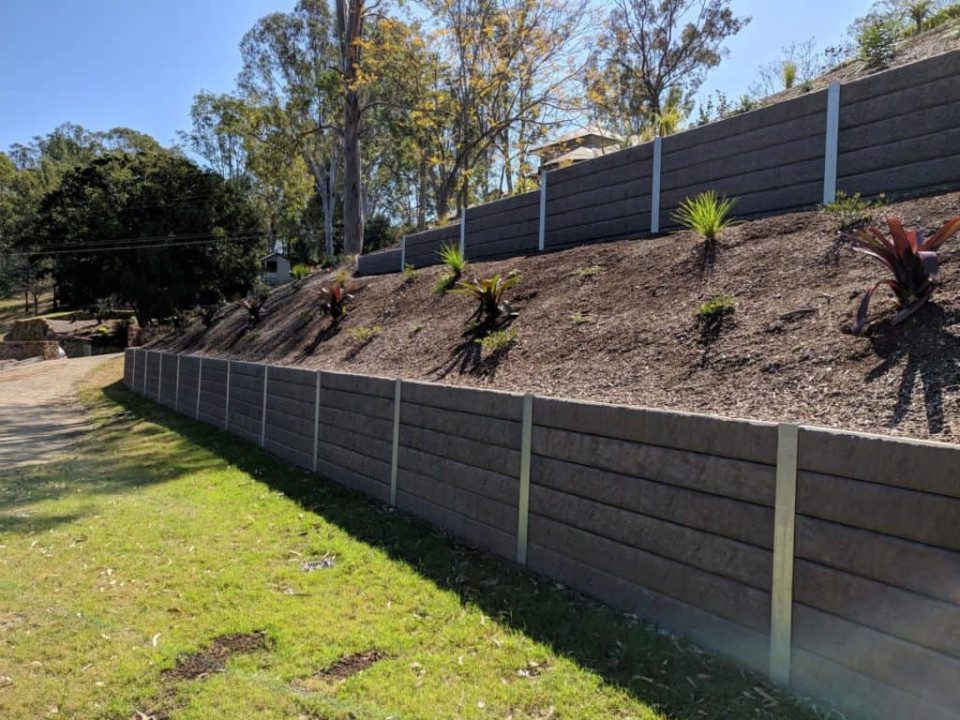
Stabilizing land and controlling gravity-driven forces require more than just stacking materials. At the heart of many secure and visually striking landscapes lies the science of retaining wall engineering. These structures, built to resist the natural movement of soil, protect property, enhance land usability, and maintain safe environments on sloped terrain. Behind every sturdy retaining wall is a detailed engineering process shaped by environmental variables, load requirements, and site-specific factors.
Retaining walls are essential in both residential and commercial projects, especially in areas with uneven landscapes. Whether supporting a driveway built into a hillside, managing grade transitions in a backyard, or holding back massive volumes of earth around infrastructure projects, these walls perform a heavy-duty role that demands structural reliability. The process of retaining wall engineering ensures that each design goes beyond visual appeal and is capable of long-term performance under changing conditions.
Every successful retaining wall begins with thorough site evaluation. Engineers must first understand soil type, slope angles, drainage patterns, and potential external loads. These variables determine which wall system is appropriate and how it should be constructed. Poor assumptions at this stage can result in costly failures, which is why the precision of engineering is non-negotiable.
Soil Mechanics and Structural Forces
Retaining wall engineering is heavily rooted in understanding how soil behaves under different circumstances. Soil may seem static, but it constantly shifts under the influence of gravity, moisture, freeze-thaw cycles, and human activity. Each soil type—clay, silt, sand, or loam—has different properties related to compaction, drainage, cohesion, and load-bearing capacity. Knowing how these characteristics interact with a wall system is crucial for safe design.
When soil exerts lateral pressure on a retaining wall, the wall must provide equal or greater resistance. The amount of pressure varies depending on soil weight, moisture content, and the slope behind the wall. Retaining wall engineering takes these forces into account using calculations based on geotechnical and structural principles. Engineers determine how tall and thick a wall must be, how much reinforcement it needs, and whether additional features like tiebacks or counterforts are required.
The selection of retaining wall types—gravity walls, cantilevered walls, sheet pile systems, or anchored designs—is driven by these site-specific evaluations. For example, gravity walls resist pressure using their own mass, making them ideal for short walls with broad bases. Taller walls or those on steep grades might require cantilever designs that use a reinforced concrete slab to transfer loads deeper into the ground.
Structural stability isn’t the only concern. Hydrostatic pressure from trapped groundwater can double or even triple the forces acting against a wall. Without proper drainage, even a well-built wall may fail. This is why engineers include backfill specifications, weep holes, and drainage layers in their plans. These elements relieve pressure and extend the wall’s service life.
Material Selection and Construction Considerations
Different projects require different materials, and retaining wall engineering plays a key role in choosing the right one. Material choice impacts both aesthetics and function. Common options include poured concrete, concrete blocks, stone, wood, and steel. Each material has specific strengths, maintenance requirements, and cost implications. The goal is to select a material that matches the engineering demands while complementing the site visually.
Concrete is often used for its strength, flexibility in design, and longevity. Segmental retaining wall systems made of interlocking blocks have become increasingly popular for residential and commercial applications due to their ease of installation and consistent performance. Natural stone appeals to those seeking a more traditional look, though it often involves more labor-intensive construction. Timber, while cost-effective, may deteriorate faster and is best suited for temporary or low-load walls.
Construction methods must also align with engineering requirements. For example, compacted backfill must be added in controlled layers behind the wall to prevent uneven pressure. Improper compaction or drainage installation can cause shifting or bowing. Retaining wall engineering ensures that specifications include not only the dimensions and materials of the wall but also the correct procedures for assembling and securing it.
Engineers also factor in surcharges—additional vertical loads from vehicles, buildings, or stored materials placed near the wall. These added weights increase the lateral pressure and may call for reinforced walls with steel mesh, geogrids, or even deep foundations. Without understanding these forces, a wall may look fine initially but fail years later due to cumulative stress.
Permitting agencies often require engineered drawings for walls above a certain height, typically four feet. These drawings include layout plans, cross-sections, load diagrams, and drainage solutions, all of which must be sealed by a licensed professional. Retaining wall engineering ensures that the project will meet both legal standards and long-term performance needs.
Long-Term Durability and Environmental Impact
A wall built without careful planning may hold up for a few years but eventually succumb to stress, weather, or soil movement. Retaining wall engineering is about long-term durability. Engineers consider how walls will perform through seasons of rain, drought, and temperature shifts. They also account for the aging of materials and the settlement of the underlying soil.
Maintenance requirements are also part of the equation. Some walls require periodic inspections for cracking, tilting, or drainage issues. Well-engineered walls are designed to minimize these risks from the outset. Durable materials, adequate drainage, and reinforcement make it more likely that the wall will function without major intervention.
Sustainability is increasingly relevant in modern retaining wall engineering. Environmentally friendly solutions, like using recycled materials or integrating vegetation into wall systems, help reduce ecological impact. Green retaining walls use modular blocks filled with soil and plants to create both structural support and natural beauty. Engineers assess whether such systems can meet the structural needs of a project while supporting water retention and erosion control.
Walls near waterways or environmentally sensitive areas often include bioengineering elements such as vegetative facings or porous backfills. These options help reduce runoff and blend more naturally into their surroundings. The decision to use them, however, must still come after thorough engineering review to ensure safety.
Applications Across Sectors and Landscapes
Retaining wall engineering is essential across a broad range of sectors. In residential projects, walls are often used to make sloped yards usable, protect homes from runoff, or frame outdoor living spaces. In these settings, walls must blend function with visual appeal, often within limited budgets. Engineering ensures these goals are met without compromising safety.
Commercial and municipal projects pose greater demands. Walls in parking lots, highways, schools, and industrial sites often carry higher loads and span longer distances. These structures may incorporate lighting, guardrails, or integrated walkways, adding complexity to the design. Retaining wall engineering manages all of these factors while maintaining code compliance and project timelines.
In infrastructure development, retaining walls support roads, railways, and bridges in areas where land is uneven or unstable. These walls must withstand the vibration of heavy vehicles, seismic activity, and extreme weather. Engineering becomes not just a design tool but a safeguard for public safety.
As communities expand into hilly, wooded, or flood-prone areas, the need for engineered retaining solutions continues to grow. Without retaining wall engineering, these landscapes remain underused or unsafe. With it, they become viable spaces for construction, recreation, and transportation.